The Full Cooling Gear Layering Strategy for Working Out in Extreme Heat
Quick Answer: No single cooling product handles genuinely hot workouts alone — the most effective approach layers a moisture-wicking base layer, a cooling towel or neck wrap for targeted relief, and pre-cooling (a cold drink or brief AC exposure) before starting, combined rather than relying on any one piece.
Cooling gear marketing sells each product as a complete solution, but real heat management during exercise works more like a system than a single purchase.
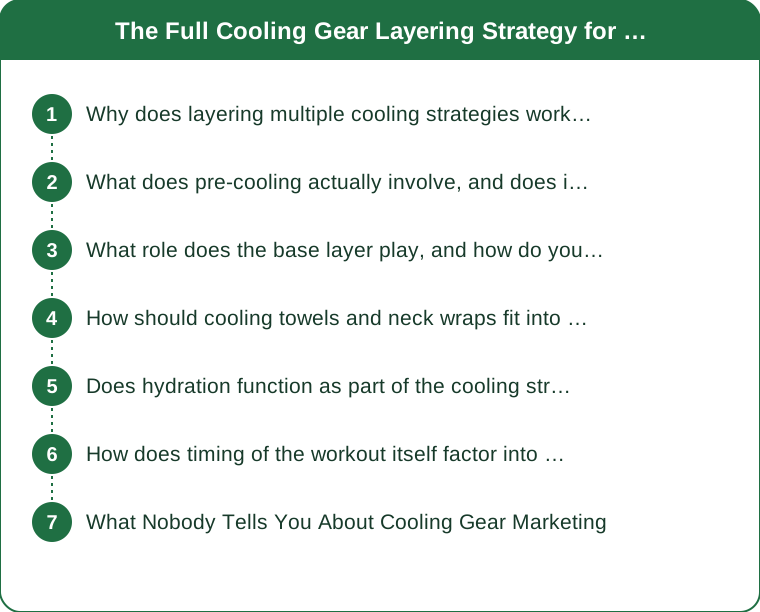
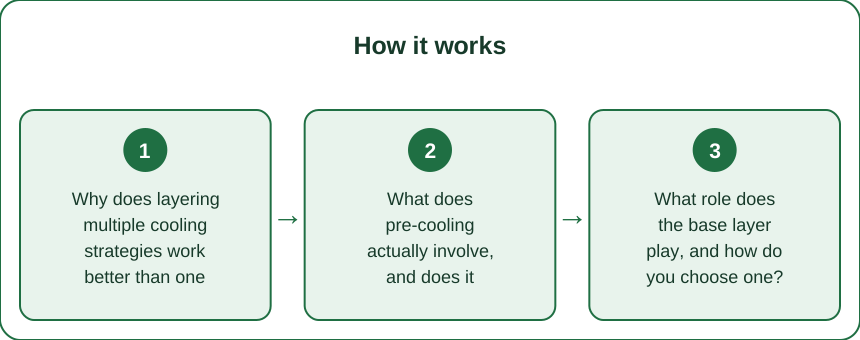
Why does layering multiple cooling strategies work better than one product alone?
The body loses heat through several different mechanisms — evaporation, conduction, and core temperature regulation — and each cooling product typically addresses only one of these. A moisture-wicking base layer supports evaporation, a cooling towel provides direct conductive cooling to skin, and pre-cooling lowers your starting core temperature before heat exposure even begins. Combining approaches that target different mechanisms produces a bigger effect than maximizing any single one.
What does pre-cooling actually involve, and does it really matter?
Pre-cooling means lowering body temperature before the workout starts — a cold drink 15-20 minutes beforehand, or a few minutes in air conditioning right up until you begin, both measurably lower starting core temperature. Research on athletes in hot conditions shows pre-cooling can meaningfully extend how long someone can sustain effort before heat-related fatigue sets in, making it one of the highest-value and lowest-effort steps in the whole strategy.
What role does the base layer play, and how do you choose one?
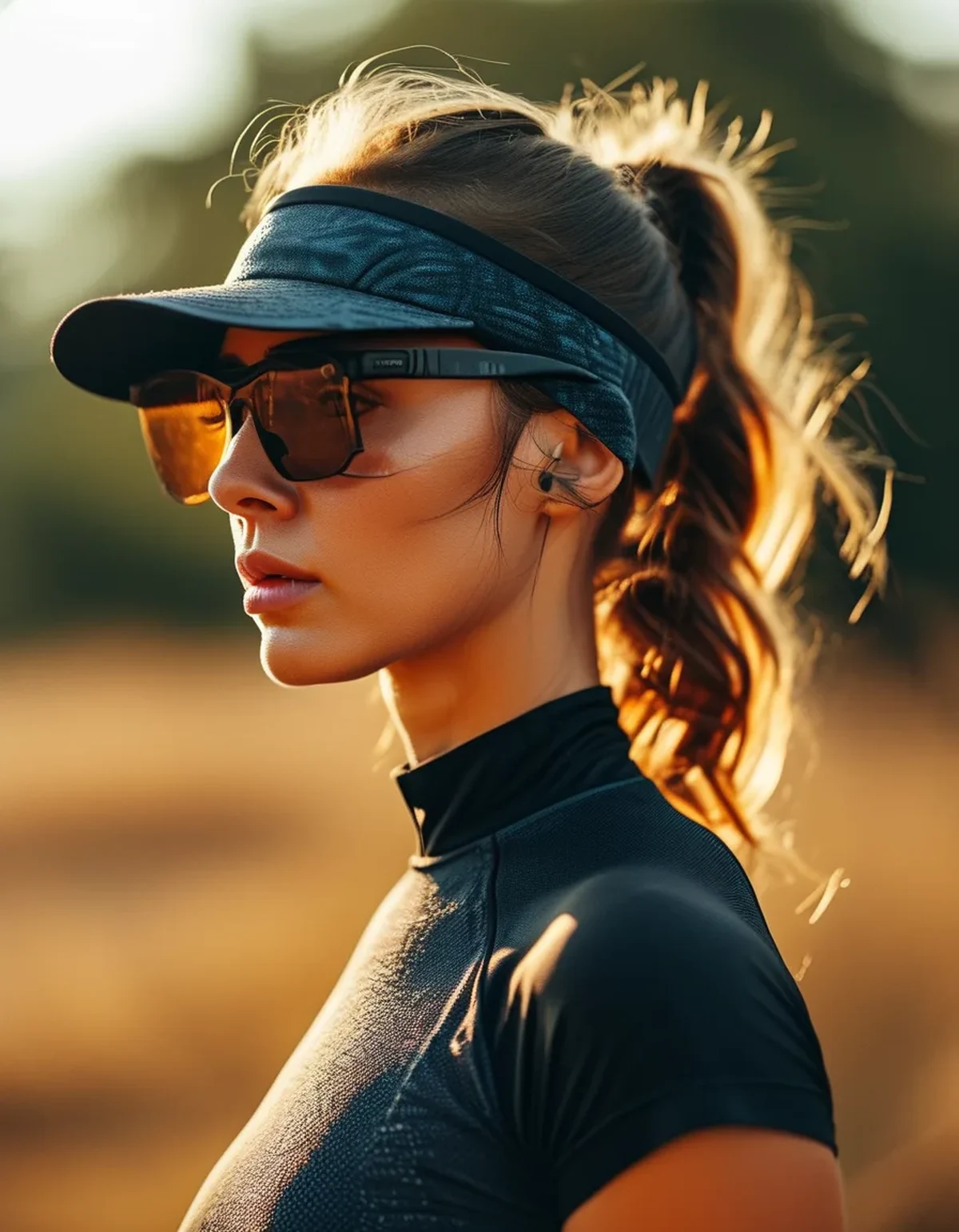
A genuinely moisture-wicking, loose-fit base layer supports the body’s own evaporative cooling by moving sweat away from skin to the fabric surface where it can evaporate more efficiently. A cotton layer, by contrast, holds moisture against skin and actually interferes with evaporation, which is why ‘just wearing a light cotton shirt’ underperforms a proper technical fabric even though it feels lighter.

How should cooling towels and neck wraps fit into the layering strategy?
These products work through direct conductive cooling — evaporation from the fabric actively pulls heat from the skin at the point of contact, most effectively at the neck and wrists where blood vessels run close to the surface. They’re best used as a targeted addition during breaks in activity, not as the sole strategy, since they cool a specific area rather than the whole body.
Does hydration function as part of the cooling strategy or separately?
Hydration is foundational to the whole system — dehydration reduces the blood volume available for the body’s own heat-dissipation process, which undermines every other cooling strategy layered on top of it. Pre-hydrating in the hours before a hot workout, not just during it, supports the body’s natural cooling mechanisms working as intended.
How does timing of the workout itself factor into a cooling gear strategy?
Scheduling outdoor exercise during cooler parts of the day (early morning or evening) reduces the total cooling burden that gear and hydration need to offset — cooling gear extends your safe window in heat, but it doesn’t eliminate the value of simply avoiding peak-heat hours when that’s an option.
What Nobody Tells You About Cooling Gear Marketing
Cooling product marketing almost always shows a single item solving the whole problem — a cooling towel ad implies you’re covered for the whole workout. In practice, serious heat-training athletes and coaches use combined strategies precisely because no single product addresses all the mechanisms of heat gain and loss during exercise. Understanding this changes the buying decision: instead of looking for the ‘best’ cooling product, it’s more effective to build a small stack of 2-3 complementary tools.
TL;DR:
- No single cooling product handles a genuinely hot workout alone — layering multiple approaches works better
- Pre-cooling (cold drink, brief AC exposure) 15-20 minutes before starting is high-value and low-effort
- A true moisture-wicking base layer supports evaporation better than cotton, even if cotton feels lighter
- Cooling towels work best as targeted, conductive cooling added to breaks, not as a standalone strategy
- Hydration underlies the whole system — dehydration undermines every other cooling layer
Build a small stack — pre-cooling, a wicking base layer, and one cooling accessory — rather than betting on one product to handle a hot workout alone.
See It in Motion
Seen here: Super High Waist Embossed Yoga Leggings with Inner Pocket — shop it on bubblelime.com
Keep Reading
This article is for general informational and styling purposes only. Fit, sizing, and product availability may vary.