The Complete Guide to Cooling Gear: What Actually Lowers Your Temperature vs. What Just Feels Cold
Quick Answer: Evaporative cooling gear (wet-activated towels, some cooling fabrics) provides measurable temperature reduction through moisture evaporation, while phase-change cooling packs offer stronger, longer effects but need reactivation, and menthol-treated fabrics create a cooling sensation without actually lowering skin temperature — knowing which category you’re buying determines whether it’ll actually help.
Cooling gear is a crowded category, and not all of it works the same way — or works at all in the way people assume. Here’s a full breakdown by mechanism, because the mechanism is what determines whether a product actually does anything.
How does evaporative cooling gear actually work, and what are its limits?
Evaporative products — cooling towels, some cooling fabrics — work by holding moisture that evaporates off the skin or fabric surface, pulling heat away in the process. This genuinely lowers surface temperature, but it’s highly dependent on ambient humidity: evaporative cooling is dramatically less effective in humid conditions, since evaporation itself slows down when the surrounding air is already saturated with moisture. In dry heat, these products perform close to their marketing claims; in humid heat, expect a much smaller effect.
The practical implication is that the same cooling towel that feels dramatically effective in a dry summer climate will feel noticeably weaker in a humid one — this isn’t a product defect, it’s the physics of evaporation.
What about phase-change cooling packs and vests — how do those differ?
Phase-change materials absorb heat as they transition from a lower to higher energy state (often melting from a gel or solid form), which provides a stronger and more consistent cooling effect than evaporative gear, and critically, one that doesn’t depend on humidity the way evaporative cooling does. The tradeoff is that these need to be reactivated — usually via refrigeration or ice water — and have a finite duration before they need recharging, typically 1-2 hours depending on ambient heat and activity intensity.
For genuinely high-heat, high-humidity conditions where evaporative gear underperforms, phase-change products are usually the more reliable choice, provided you have access to reactivate them between uses.
Do menthol-treated ‘cooling’ fabrics actually lower temperature?
No — menthol and similar cooling agents trigger cold-sensing nerve receptors in the skin without actually changing skin temperature. This creates a genuine perceived cooling sensation, which can meaningfully improve comfort and perceived exertion during exercise, but it isn’t the same mechanism as evaporative or phase-change cooling and won’t help with actual heat management or overheating risk the way those categories can.
This distinction matters most in genuinely dangerous heat conditions — menthol products are a comfort tool, not a heat-safety tool, and shouldn’t be relied on as your primary cooling strategy in extreme heat.
How much does fit and body placement affect real-world cooling performance?
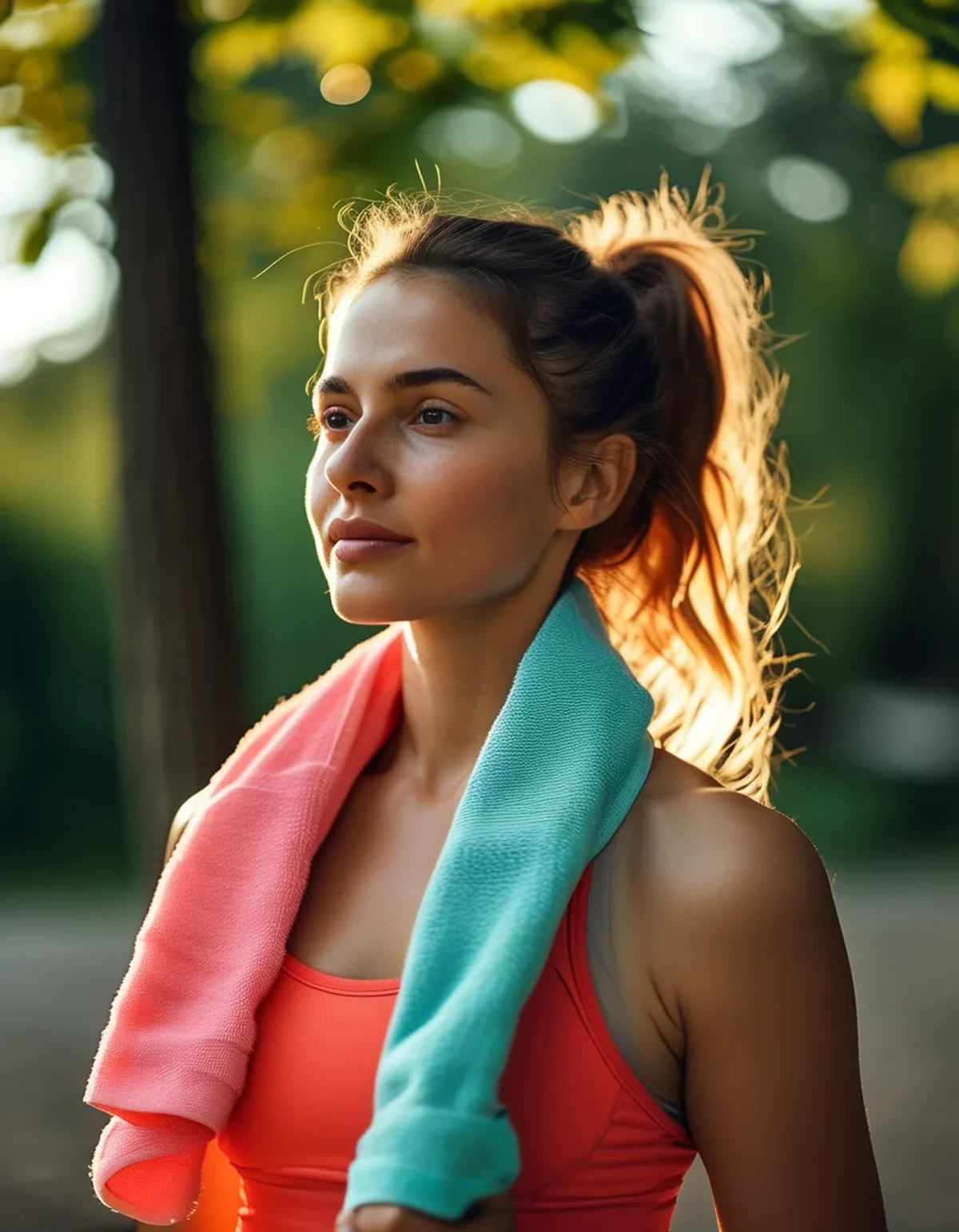
Cooling gear placed at major blood vessel locations — neck, wrists, and to a lesser extent behind the knees — tends to produce a more noticeable full-body cooling effect than the same product placed elsewhere, because blood near the skin’s surface at these points is cooled and circulated more broadly. A cooling towel around the neck is a well-supported, high-impact placement choice specifically because of this circulation effect, not just because it’s a convenient wearing location.
What Nobody Tells You About Cooling Gear Marketing
Marketing language rarely distinguishes between these three mechanisms, and product names like ‘cooling’ or ‘chill’ fabric are used loosely across all three categories despite very different actual effects. Checking the material description for ‘phase-change,’ ‘evaporative,’ or a cooling-agent ingredient list is a more reliable way to know what you’re actually buying than the product name or marketing copy alone.
How should you choose between categories based on your specific use case?
For dry-heat outdoor workouts, evaporative gear offers strong, low-cost performance. For humid or extreme heat conditions, phase-change products justify their higher cost and reactivation hassle. For general workout comfort rather than genuine heat management, menthol-treated fabrics are a reasonable, low-cost comfort addition, just not a substitute for the other two categories when heat safety is a real concern.
FAQ: Cooling Gear, Answered
Can you combine multiple cooling gear categories at once?
Yes, and it’s common — a menthol-treated base layer with an evaporative cooling towel is a popular combination that layers a comfort effect with genuine cooling.
How often does phase-change gear need to be reactivated during a long outdoor day?
Most products last 1-2 hours before needing re-cooling, so plan around access to ice water or refrigeration for anything longer.
Is expensive cooling gear meaningfully better than budget options within the same category?
Within the same mechanism category, the performance gap is often smaller than the price gap — the bigger factor is choosing the right category for your conditions, not the price tier within it.
TL;DR:
- Evaporative cooling gear works well in dry heat but underperforms in humidity
- Phase-change packs cool more reliably but need periodic reactivation
- Menthol fabrics create a cooling sensation without lowering actual temperature
- Placement at the neck and wrists boosts real-world cooling effectiveness
Before buying, figure out which mechanism you actually need for your climate and conditions — the right category matters more than the price tag.
See It in Motion
Seen here: Crewneck Short Sleeve Workout T-Shirt — shop it on bubblelime.com
Keep Reading
This article is for general informational and styling purposes only. Fit, sizing, and product availability may vary.